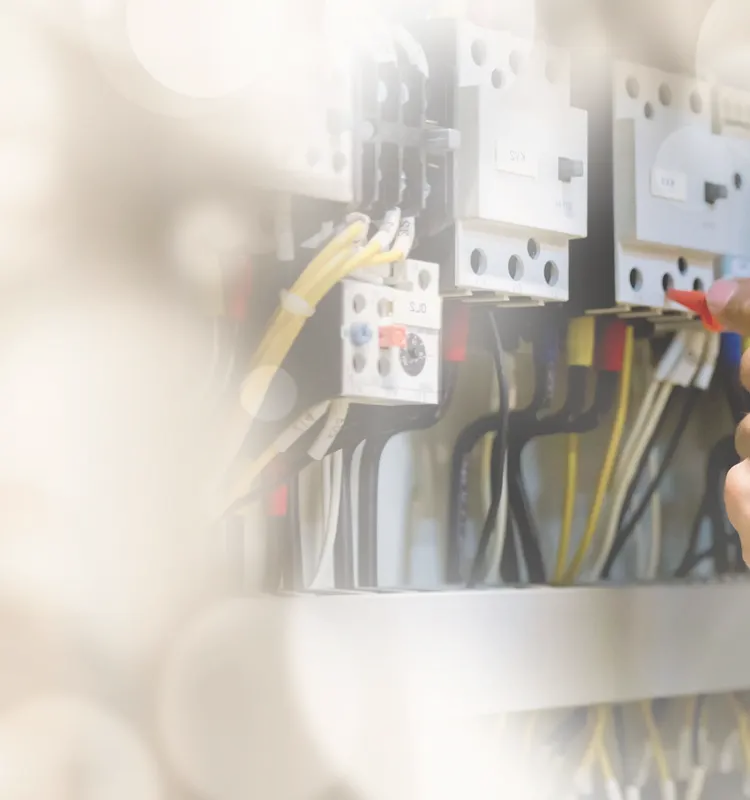
Many houses across Evanston still run on panels sized decades before central air, dishwashers, and home offices existed, leaving fuses instead of breakers and no room to add circuits. A electrical contractor in Chicago backs the local network, and homeowners often pair panel work with a professional electrical panel upgrade to keep pace with what the house now needs.
These older systems need someone who has traced this exact wiring before, which is why homeowners here call a local electrician instead of a general handyman.
Why Local Wiring Knowledge Matters in Evanston
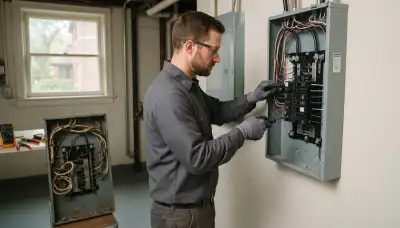
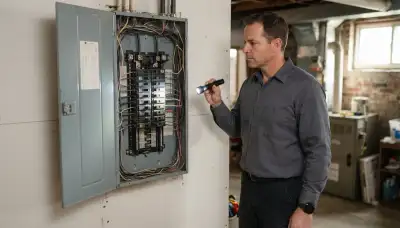
A local electrician recognizes the panel brands, the splice points, and the add-on wiring common in Evanston homes, details a stranger would spend hours figuring out on the first visit alone.
Two repeat jobs stand out: replacing fuse panels that can no longer carry modern loads, and adding circuits where none exist. Homeowners comparing options sometimes also reach out to an electrical contractor in Oak Park, IL for a second opinion on scope.
A panel that trips without explanation will not fix itself. Get it checked before a small issue becomes a bigger one.
Electrical Work Matched to How Evanston Homes Are Built
A generic service call misses what matters here: where the panel sits, what is underneath the house, and how far a crew has to run wire to reach a workable circuit.
Some houses sit over full basements with easy panel access, others were built tight to the lot line with narrow side yards, and each layout changes how long a circuit job takes. Many homeowners pair panel work with a reliable home electrical inspection to confirm nothing else needs attention.
Homes here commonly need a quality ceiling fan installation, a specialists outlet repair, an expert smoke detector installation, and a reliable whole home surge protection setup to match what the house now runs.
What the Age of Evanston Homes Still Decides Today
Homes here went up mostly from the 1920s through the 1950s, with wiring installed long before grounding and GFCI protection were required. That early work still shapes three things: how many outlets have a ground path, how much the panel can carry, and how many circuits exist for rooms used far differently now.
Two-Prong Outlets Everywhere
Outlets with only two slots and no reset buttons near sinks are common signs of ungrounded wiring, installed before grounding was standard. Left alone, it means sensitive electronics and safety devices have no real protection.
Local electricians run new grounded circuits and add the outlets with test and reset buttons where water is nearby. Homeowners researching options sometimes also check an electrical contractor in Skokie, IL for comparison pricing.
Fuses Instead of Breakers
A fuse box with no empty slots means the panel was sized for a much smaller household, long before central air and modern kitchens existed. Adding anything new means pulling a fuse to make room, which is not a long-term answer.
A panel upgrade replaces fuses with breakers sized for current loads, clears room for future circuits, and ends the habit of swapping fuses just to run one more appliance.
Warm Outlets and Flickering Lights
Years of carrying more than they were built for leaves some connections loose and hot to the touch, and lights on the same circuit dim when something else kicks on. That heat at the connection point is wear that only gets worse with use.
Electricians isolate the affected circuit, replace the failing connections, and rebalance the load so lights stop dimming and warm spots disappear for good.
Car Chargers and New Air Conditioning
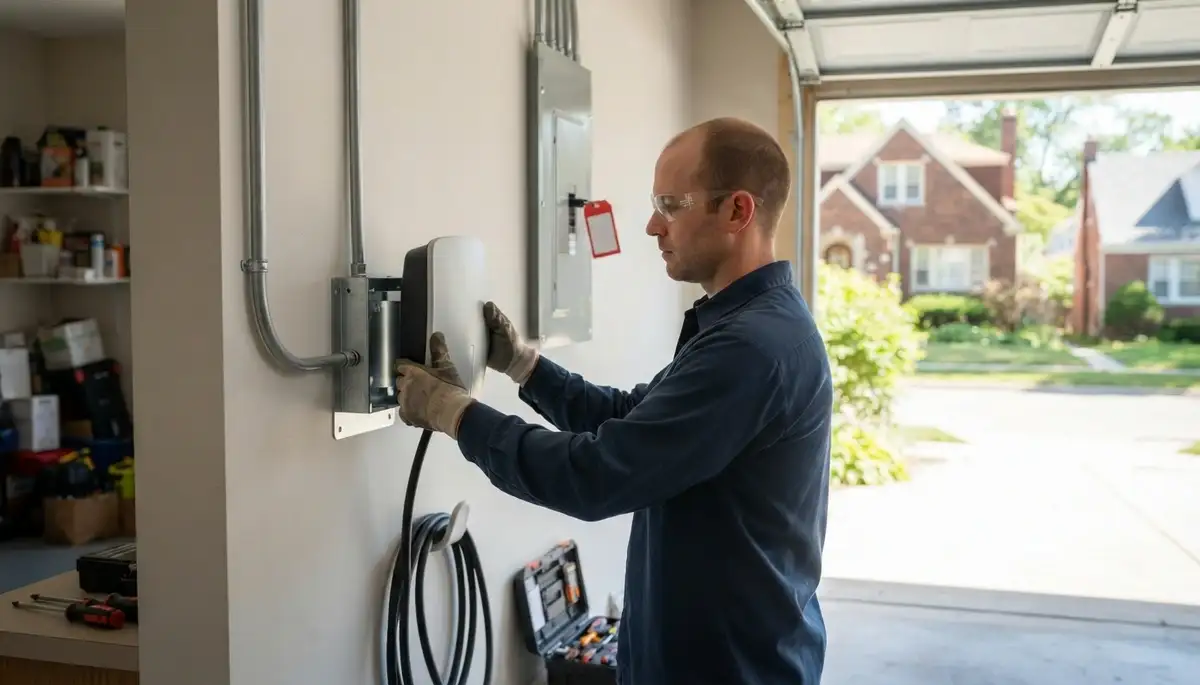
Adding a car charger or a larger air conditioning unit puts a load on a panel that was never sized for either, and summer heat only pushes that strain further. The result is tripped breakers right when the house needs power most.
A service upgrade adds the capacity those additions need, so the charger, the air conditioning, and everything else can run together without a tripped breaker interrupting the night.
Tight Access to Older Panels
Some panels sit in cramped basement corners or behind finished walls added long after the house was built, which slows down any upgrade or inspection. Reaching the panel can take as long as the actual repair.
Electricians plan the route before opening anything, protect finished surfaces, and complete the work with minimal cutting so the homeowner is not left with a bigger repair than expected.
Call (312) 313-0131 to arrange a no-pressure visit with a local electrician who can look at the panel, the wiring, and the circuits before anything fails outright.
On Call Electrical backs every repair with work built to hold up for years.

Complete Electrical Services Available in Evanston, IL
The list below covers the range of work available for homes here, from urgent repairs to planned upgrades. Find what matches the situation at hand.
Urgent Electrical Repairs in Evanston, IL
- Electrical Repair
- Outlet Repair
- Switch Repair
- Ceiling Fan Repair
- GFCI Circuits
These cover the calls that cannot wait, from a dead outlet to a switch that sparks when used.
Panel and Wiring Upgrades in Evanston, IL
- Electrical Panel Upgrade
- Electrical Panel Installation
- Electrical Wiring
- New Construction Wiring
- Electrical Service
These address what the original wiring was sized for and bring the panel and circuits up to what the house needs now, whether that means more capacity or entirely new runs.
Safety and Protection Work in Evanston, IL
- Smoke Detector Installation
- Fire Alarm Installation
- Whole Home Surge Protection
- Lightning Surge Protection
- Home Electrical Inspections
Each of these addresses a risk a homeowner can picture clearly: a fire with no early warning, a lightning strike that takes out every appliance in the house, or wiring that has never been checked for hidden damage.
Lighting and Outdoor Electrical Work in Evanston, IL
- Landscape Lighting
- Security Lights
- Recessed Lighting Installation
- Electric Car Charger Installation
- Generator Installation
These cover what newer additions ask of an older electrical system, from lighting the yard at night to keeping the house powered through an outage.